The emotional aftermath of a divorce can feel disorienting, even when the decision is mutual or expected. Beyond the legal and logistical changes, there is a quieter, more complex shift that happens internally as routines, identity structures, and long-term expectations are disrupted. Emotional health during this period is not just about “moving on,” but about actively rebuilding a sense of stability and self-trust.
While each experience is unique, there are consistent psychological patterns that many people face, including grief, anxiety, and identity confusion. These responses are normal reactions to significant relational loss.
The goal is not to suppress them but to understand how to process them in a way that supports long-term resilience and emotional clarity.
Acknowledge Emotional Disruption and Establish Stability
The first step in protecting emotional health after separation is recognizing that emotional instability is not a sign of failure, but a predictable response to a major life transition. Many people underestimate how deeply intertwined daily life becomes with a partner, which is why separation often creates a sense of internal “loss of footing.” Naming this disruption is important because it reduces self-judgment and allows space for adjustment.
Stability does not need to be dramatic or immediate. Instead, it often begins with small, consistent actions that reintroduce structure into daily life. Sleep schedules, regular meals, and predictable routines can provide a grounding effect when emotional states feel unpredictable. These behaviors help regulate the nervous system, which is often heightened during periods of relational stress.
It is also important to avoid rushing emotional recovery. There is a tendency to treat discomfort as something that must be quickly resolved, but emotional processing is rarely linear. Allowing thoughts and feelings to exist without forcing resolution can prevent unnecessary internal conflict. Over time, this creates a foundation for clearer emotional processing and reduces the intensity of reactive decision-making.
Rebuild Identity Through Intentional Daily Structure
After a divorce, identity reconstruction becomes a central part of emotional recovery. Many individuals realize that aspects of their identity were closely tied to their relationship roles, which can create confusion about personal preferences, goals, and values. This phase is not about reinventing oneself entirely, but about rediscovering individual agency.
One effective approach is re-engaging with interests or activities that were previously minimized or abandoned. These do not need to be grand changes. Even small acts of curiosity, such as revisiting hobbies, adjusting routines, or exploring new environments, can help re-establish a sense of individuality. This process supports emotional health by reinforcing autonomy and self-direction.
Daily structure plays a key role here as well. When life feels emotionally unstable, intentional scheduling can provide psychological anchoring. This does not mean overloading the day with tasks, but rather creating a rhythm that includes purpose, rest, and engagement. Over time, this structure reduces the sense of aimlessness that often follows relational loss and helps rebuild confidence in personal decision-making.
Strengthen Support Systems and Professional Guidance
Social connection is one of the most important protective factors for emotional health after separation, yet it is also one of the areas people tend to withdraw from. Feelings of shame, fatigue, or uncertainty can lead to isolation, which can intensify emotional distress. Maintaining contact with trusted friends or family members can provide perspective and reduce internalized stress.
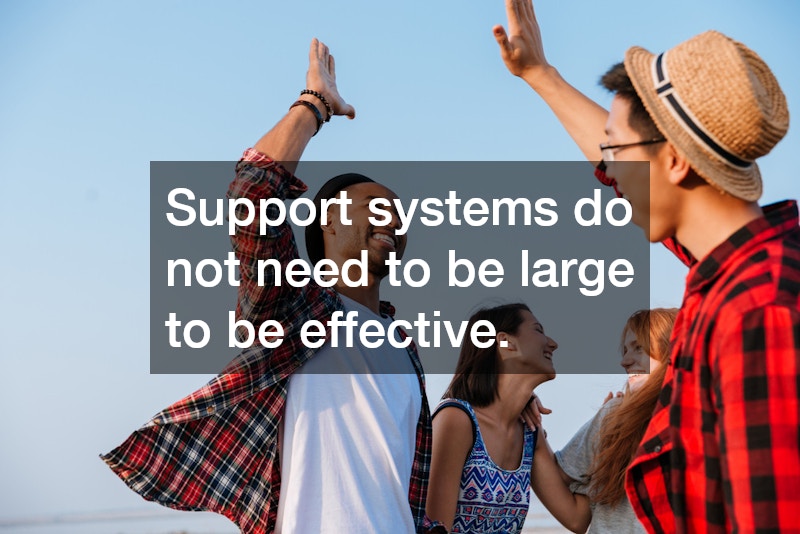
Support systems do not need to be large to be effective. A few consistent, trustworthy relationships are often more valuable than broad but superficial social engagement. The key is emotional safety, where experiences can be expressed without fear of judgment or minimization. This type of connection helps regulate emotional intensity and supports cognitive clarity during difficult periods.
In some cases, professional support can play a critical role. Therapists, counselors, or support groups provide structured environments for processing grief, anger, or confusion constructively. This is especially helpful when emotional patterns feel persistent or overwhelming. Professional guidance can also help identify coping strategies that are tailored to individual needs rather than generalized advice.
Protecting emotional health after a major relational shift is a gradual process that relies on consistency rather than intensity. While the experience of a divorce can feel destabilizing, it also creates space for rebuilding internal structure, rediscovering identity, and strengthening support networks. Emotional recovery is not about returning to a previous version of life, but about developing a more grounded and self-aware foundation moving forward.