A wedding should feel like a reflection of the two people being celebrated, not a collection of decisions made simply because they are traditional or currently popular. From the setting and atmosphere to the smallest accessories, thoughtful choices can create an event that feels personal, comfortable, and meaningful.
The planning process becomes easier when you identify what matters most before making individual decisions. Your preferred colors, favorite environments, family traditions, hobbies, and shared experiences can all inspire. You do not need to incorporate every idea you like. Selecting a few consistent themes can create a celebration that feels cohesive without becoming overly coordinated.
Personal style can also influence practical decisions, including how guests move between locations, how outdoor spaces are arranged, and which details become keepsakes. By considering both aesthetics and functionality, you can create a wedding that looks beautiful while still feeling authentic to you and your partner.
Start With a Clear Vision for Your Wedding
A wedding often represents the beginning of a new chapter, and the personal style you develop as a couple does not have to end when the celebration is over. Your future home can become another expression of the preferences, priorities, and lifestyle you share.
If you plan to build rather than purchase a home, working with a custom home builder can give you greater opportunity to shape spaces around the way you actually live. Instead of designing a home around someone else’s assumptions, you can consider how you entertain, relax, work, store belongings, and spend time outdoors. Those decisions can also help you identify the qualities that matter most to both of you.
Before beginning a home project, discuss:
- How you want to use your main living spaces.
- Whether you regularly host family or friends.
- How much storage you need.
- Which outdoor features fit your lifestyle.
- Architectural styles and materials you both enjoy.
The same exercise can be useful when planning a wedding. Identifying shared preferences early makes it easier to create both a celebration and a future home that feel connected to your lives together.
Choose a Setting That Matches Your Personality
Your venue establishes much of the atmosphere before guests even see the decorations. A grand space may naturally suit a formal celebration, while a garden, historic property, restaurant, or smaller gathering space may work better for couples who prefer something intimate or relaxed.
When comparing wedding reception venues, look beyond photographs. Consider how guests will enter, where they will gather, how easily they can move between different areas, and whether the existing architecture supports the style you have in mind. A space that looks beautiful online may not provide the layout or flexibility you need.
During site visits, consider:
- Whether the space fits your expected guest count comfortably.
- How natural and artificial lighting will affect the atmosphere.
- Where guests will eat, socialize, and dance.
- Whether the existing décor complements your vision.
- Which restrictions could affect decorations or entertainment.
Visit your preferred locations at approximately the same time of day as your wedding if possible. This gives you a better understanding of the lighting, temperature, surrounding activity, and overall environment your guests will experience.
Create Flexible Spaces for Your Celebration
An outdoor wedding can offer considerable creative freedom, but it also requires thoughtful planning. Temporary structures can transform an open area into a defined celebration space while protecting from changing weather conditions.
If you are considering tent rentals, look beyond the appearance of the structure itself. Think about flooring, lighting, entrances, seating, ventilation, power requirements, and how guests will move between the tent and other parts of the property. These practical details can have a major effect on comfort throughout the event.
Plan the space around how people will actually use it:
- Place dining areas where food service can operate efficiently.
- Leave enough room for guests to move between tables.
- Position the dance floor where it remains part of the celebration.
- Provide comfortable areas for guests who want to talk quietly.
- Have an alternative plan for significant weather changes.
Your decorations should complement the structure instead of fighting against it. Lighting, fabric, greenery, and furniture can all help create a defined atmosphere while preserving the character of the outdoor setting.
Let Meaningful Jewelry Influence Your Wedding Style
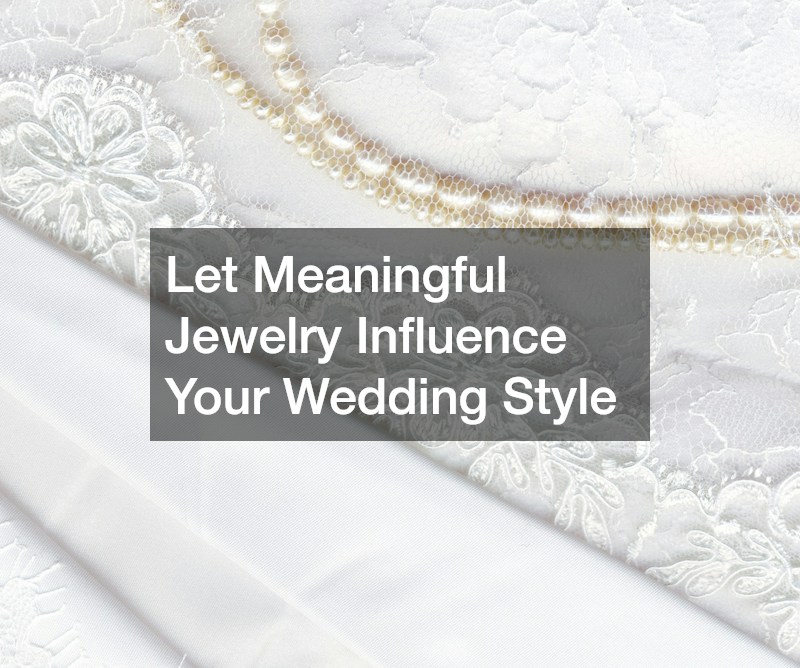
Some of the most personal wedding details are items you may continue wearing long after the celebration ends. Jewelry can provide inspiration for the broader visual style because its metal, stones, shape, and design can subtly influence other choices.
The engagement ring can be a starting point for deciding how other accessories should look. You might coordinate metals, incorporate similar colors, or select complementary shapes. However, matching every piece exactly is not necessary. Combining different textures or styles can create a more personal appearance when the pieces work well together.
When planning your accessories:
- Consider the metal used in your existing jewelry.
- Think about how gemstones interact with your color palette.
- Match jewelry proportions to your clothing.
- Consider whether sentimental pieces can be incorporated.
- Choose pieces that remain comfortable throughout the day.
Think about how jewelry will look in photographs as well as how it feels in person. You will likely see these details in close-up images for years, so choosing pieces with genuine personal meaning can make those photographs more significant.
Coordinate Accessories With Your Overall Look
Accessories should complement your wedding-day appearance without making you feel like you are wearing a costume. This is particularly important for couples who regularly wear glasses or other practical accessories. Your wedding is still your day, and comfort should remain part of the planning process.
Visiting local eyewear stores can give you an opportunity to consider frames that work with your formal clothing while still feeling familiar. If you need prescription eyewear, avoid waiting until shortly before the wedding to make a significant change. You want enough time to adjust to new frames and confirm that they are comfortable.
When selecting eyewear, consider:
- Frame shape compared with your facial features.
- Colors that complement your clothing and accessories.
- Comfort during several hours of wear.
- How the frames look in different lighting.
- Whether you should keep a backup pair available.
Try your eyewear with the complete outfit rather than evaluating it separately. Your hairstyle, jewelry, clothing, and frames should feel like parts of one appearance, even if none of them match perfectly.
Select Jewelry That Complements Your Personal Style
Wedding jewelry does not need to follow a prescribed formula. Some people prefer understated pieces that allow their clothing and ring to remain the focus, while others enjoy statement accessories that become an important part of the overall look.
A jewelry store can offer a range of options, but you should begin with your own preferences rather than selecting pieces simply because they are associated with weddings. Consider whether you normally wear delicate or substantial jewelry and whether you want your wedding-day accessories to reflect that same preference.
A simple selection process can help prevent over-accessorizing:
- Choose the most important jewelry piece first.
- Identify metals and colors that complement it.
- Consider the neckline and details of your clothing.
- Check proportions between multiple accessories.
- Try the pieces together before making a final decision.
Sentimental jewelry can also add meaning without requiring additional decoration. A family piece, inherited gemstone, or accessory connected to an important memory can make your wedding attire feel personal while giving the item another meaningful chapter in its history.
Use Flowers to Add Personal Meaning
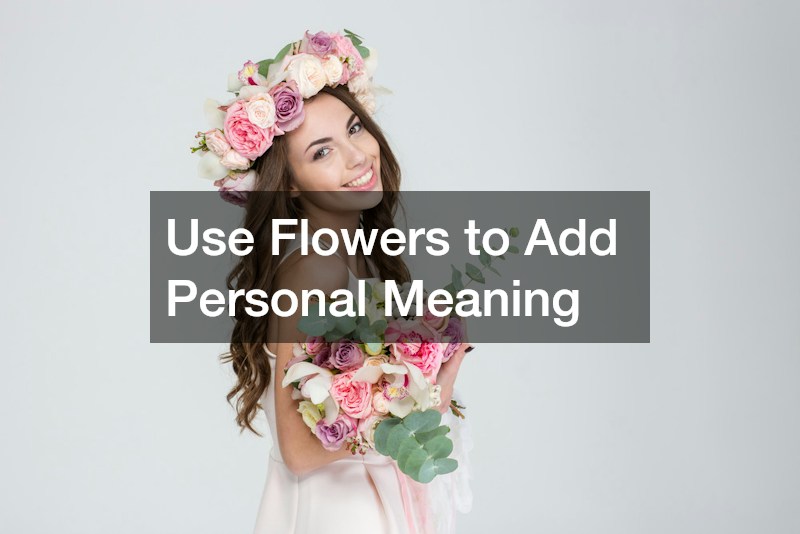
Flowers can influence the atmosphere of a wedding through their color, texture, fragrance, and arrangement. Instead of selecting flowers only because they are popular, think about varieties, colors, or arrangements that connect with your personality, family, favorite places, or the season.
Corsage flowers can be particularly useful for incorporating wearable floral details into the celebration. Their design can coordinate with bouquets and centerpieces without requiring every floral arrangement to look identical. A consistent color, ribbon, or greenery choice can create a visual connection throughout the event.
When planning floral details, consider:
- Colors that complement your clothing and venue.
- Flowers that have personal or family significance.
- Comfortable placement for wearable arrangements.
- Seasonal availability and durability.
- Potential allergies among important members of the wedding party.
Ask your florist how different flowers will hold up throughout the day, especially if the celebration involves outdoor photographs or extended periods in warm conditions. A beautiful arrangement should also remain practical enough to wear, carry, or display comfortably.
Turn Small Details Into Personal Keepsakes
Personalization does not have to dominate the wedding décor to have an impact. Some of the most meaningful details may be small enough that only the couple and close family members recognize their significance.
Custom embroidery can add a discreet personal element to clothing, accessories, gifts, or reception details. Initials, a meaningful date, a short phrase, or a symbol can turn an ordinary item into a keepsake. Because these details can be subtle, they can add personality without making the overall design feel overly themed.
Consider using personalized details on:
- Getting-ready robes or clothing.
- Handkerchiefs or other sentimental accessories.
- Reception napkins.
- Garment bags.
- Gifts for members of the wedding party.
Choose personalization based on meaning rather than quantity. You do not need initials on every available item. A few thoughtfully selected details can have more emotional value and may be more useful after the wedding.
Plan Transportation Around the Guest Experience
Transportation is easy to overlook when most planning discussions focus on venues, clothing, food, and décor. However, the way guests travel between locations can affect the timing and overall experience of the day.
A party bus rental may be appropriate when the wedding involves multiple locations or when the couple wants transportation to become part of the celebration. Regardless of the vehicle, think about passenger capacity, pickup locations, travel time, accessibility, and what guests will need while they are in transit.
Build transportation into the schedule rather than treating it as an afterthought. Consider:
- How long each trip is likely to take.
- Where passengers will safely board and exit.
- Whether elderly or mobility-limited guests need additional accommodations.
- How delays could affect the ceremony or reception.
- What backup arrangements are available.
Provide clear instructions to guests in advance. Knowing where to meet, when transportation departs, and how long the journey may take can prevent confusion and help the day stay organized.
Make Getting Around Part of the Celebration
Transportation can also become a memorable part of the wedding itself. A distinctive vehicle may provide an enjoyable transition between locations, create opportunities for photographs, or give guests another experience that reflects the couple’s personality.
A wedding trolley can work particularly well when transportation is needed between nearby venues or when the couple wants a more distinctive way to move guests. Before making arrangements, consider the route, passenger capacity, boarding locations, timing, and accessibility. The vehicle should fit the practical needs of the celebration as well as its visual style.
Coordinate transportation with the rest of the wedding schedule by:
- Sharing the route with the appropriate vendors.
- Allowing extra time for loading passengers.
- Identifying safe pickup and drop-off points.
- Confirming the transportation schedule before the wedding.
- Informing the photographer about important travel-related photo opportunities.
Remember that transportation should simplify the experience rather than create additional pressure. When the logistics are handled thoughtfully, the journey between locations can become another enjoyable part of the celebration.
Planning a wedding around personal style does not mean making every element unusual or creating a celebration that follows a single theme from beginning to end. It means making decisions intentionally and choosing details that feel connected to who you are as a couple.
Start by identifying the atmosphere you want before selecting individual details. From there, choose a setting that supports that vision, consider how guests will experience each space, and select clothing and accessories that feel comfortable and authentic. Meaningful jewelry, flowers, personalized keepsakes, and transportation can then reinforce that style without overwhelming it.
It is also helpful to remember that a wedding is an experience, not simply a collection of photographs or decorations. Consider how guests will move through the day, where they will gather, and which moments will have lasting meaning. When practical planning and personal preferences work together, the result can feel polished without losing the individuality that makes the celebration yours.