

Preventive care is essential for maintaining long-term health and overall well-being. Regular check-ups, screenings, and routine assessments help detect potential health issues early, allowing for timely intervention and reducing the risk of more serious problems down the line. By staying consistent with preventive care, you can better manage your health, make informed decisions, and enjoy greater peace of mind knowing that potential concerns are being monitored before they escalate.
This article will provide practical tips for scheduling preventive care efficiently, addressing common questions such as how often to schedule check-ups, how to coordinate care for children, and strategies for balancing appointments with a busy lifestyle. By understanding how to plan and prioritize routine health services, you can create a long-term care strategy that keeps your family healthy, minimizes unexpected disruptions, and ensures that all aspects of wellness—from physical to vision and dental health—are properly maintained.
Why is Preventive Care Important?
Preventive care forms the foundation of long-term health. Regular screenings and check-ups allow you to detect potential health issues early, maintain a healthy lifestyle, and prevent complications before they escalate. Preventive care isn’t just about avoiding illness—it also contributes to overall wellness, energy levels, and quality of life.
Understanding the Benefits
- Reduces the risk of chronic disease progression.
- Encourages healthy habits and lifestyle choices.
- Provides an opportunity to ask healthcare professionals questions about health concerns.
- Builds a detailed personal health record over time.
Early Detection of Health Issues
Early detection is one of the greatest advantages of preventive care. Many serious conditions, such as high blood pressure, diabetes, and vision problems, can develop silently. Regular screenings enable timely intervention.
Cost-Effectiveness of Preventive Measures
Preventive care can save money in the long run by reducing the need for costly emergency treatments, hospitalizations, or complex procedures. For example:
- Routine blood work may detect elevated cholesterol early.
- Eye exams can uncover conditions like glaucoma before they threaten vision.
Maintaining Long-Term Health
Consistent preventive care fosters long-term well-being. By scheduling regular appointments, you can monitor trends in your health, adjust routines, and maintain physical and mental wellness over the years.
How Often Should You Schedule Dental Checkups?
Dental health is a critical part of overall wellness. Regular visits to a dentist help prevent cavities, gum disease, and other oral health issues. The frequency of dental checkups depends on age, risk factors, and individual needs.
Recommended Frequency for Adults
Most adults should visit a dentist every six months for routine cleaning and examination. These visits may include:
- Professional teeth cleaning
- Oral cancer screening
- Evaluation of oral hygiene habits
Special Considerations for Children
Children may require more frequent visits depending on the development of teeth and gums. Pediatric dental care emphasizes:
- Monitoring growth and tooth alignment
- Early intervention for cavities
- Guidance on proper brushing and flossing techniques
Handling Dental Anxiety
Dental anxiety is common but can be managed effectively. Tips include:
- Communicating fears with your dentist
- Using relaxation techniques during visits
- Scheduling appointments at convenient times to reduce stress
Choosing the Right Dentist
Finding a trusted professional is essential. Consider:
- Experience with preventive dental services
- Availability of cosmetic options like Invisalign
- Local reputation and patient reviews from local cosmetic dentists
How Often Do You Need an Eye Exam?
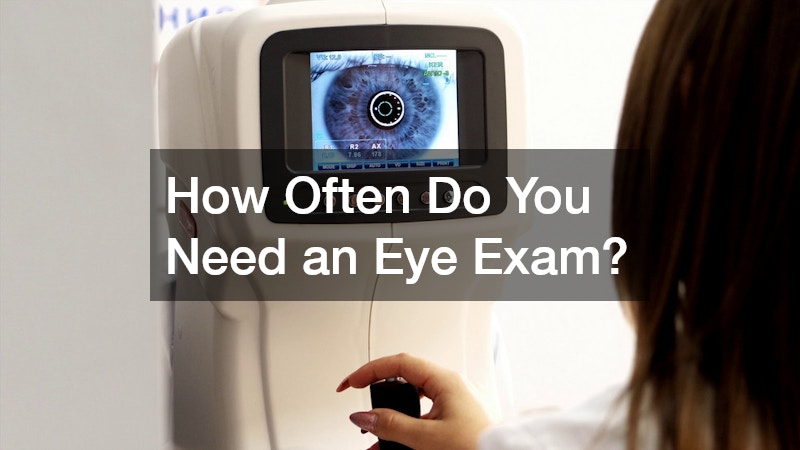
Eye health is often overlooked until problems arise. Routine eye exams allow professionals to detect vision changes early and provide appropriate interventions.
Eye Exam Guidelines for Adults and Seniors
- Adults under 40: Every 2 years, if no vision problems exist.
- Adults 40-54: Every 2-3 years.
- Adults 55-64: Every 1-2 years.
- Seniors 65+: Annually, especially if there are risk factors for eye diseases.
Children’s Eye Health: When to Schedule
Early childhood vision screenings are crucial for development. Pediatric optometrists recommend:
- First comprehensive eye exam at 6 months
- Follow-up exams at age 3 and before starting school
- Annual screenings thereafter
Common Eye Conditions and Symptoms
Regular eye exams help detect:
- Nearsightedness or farsightedness
- Astigmatism
- Cataracts, glaucoma, or macular degeneration
- Early signs of chronic health issues like diabetes or high blood pressure
Selecting an Optometrist vs. an Ophthalmologist
- Optometrists: Focus on vision exams, glasses, and contact lenses. They provide routine eye care services .
- Ophthalmologists: Specialize in medical and surgical eye care for complex conditions.
Both types of providers play important roles in comprehensive eye health.
What is the Best Time to Schedule Your Annual Physical?
An annual physical is a cornerstone of preventive care, offering a broad assessment of health status.
Understanding Annual Physicals
- Review medical history
- Conduct vital checks: blood pressure, heart rate, weight, BMI
- Screen for common chronic conditions
- Discuss lifestyle habits and preventive strategies
Choosing the Right Time of Year
- Align visits with less stressful months to allow for recovery from any tests.
- Consider coordinating with dental or eye appointments for convenience.
- Spring or early fall are ideal for planning and follow-ups.
Checklist for a Comprehensive Physical
- Bring recent lab results
- List of current medications
- Questions regarding preventive screenings
- Family history updates
Finding the Right Primary Care Doctor
Select a provider who offers:
- A wide range of preventive services
- Coordination with specialists like orthodontists or optometrists for holistic care
- Accessibility and flexible scheduling
How Should Vaccinations Be Scheduled?

Vaccinations are a crucial part of preventive care for both adults and children. Timely immunizations reduce the risk of infectious diseases and support community health.
Vaccination Recommendations for Adults
- Annual influenza vaccine
- Tetanus booster every 10 years
- Vaccines for shingles, pneumonia, or COVID-19 as recommended by your provider
Childhood Vaccination Schedule
- Regular checkups incorporate vaccines to protect against measles, mumps, rubella, and other childhood illnesses
- Coordination with school enrollment requirements ensures compliance
Understanding Booster Shots
- Maintain immunity for diseases like tetanus, diphtheria, and pertussis
- Follow your doctor’s recommended schedule based on previous vaccinations
- Keep a record of all past vaccinations to avoid missed or duplicate doses
- Schedule vaccines before traveling or during seasonal outbreaks for added protection
Consulting with a Healthcare Provider
- Discuss travel plans, allergies, or chronic conditions
- Ask about combination vaccines to reduce multiple visits
- Use trusted sources for up-to-date vaccination information
How Can You Manage Preventive Care in a Busy Schedule?
Balancing work, family, and daily responsibilities can make preventive care seem challenging. With careful planning, you can maintain consistent healthcare without disruption. By prioritizing appointments and using available resources, you can ensure your health remains a top focus even during a busy schedule.
Tips for Prioritizing Health
- Block calendar times for medical appointments
- Coordinate family members’ check-ups together
- Identify high-priority screenings and plan around them
Using Technology to Simplify Scheduling
- Online booking systems for urgent care clinics or regular checkups
- Reminder apps for annual dental, vision, or physical exams
- Telehealth consultations for preliminary questions
Balancing Work and Health Checkups
- Schedule appointments early or late in the day to minimize work disruption
- Request flexible work arrangements for important screenings
Dealing with Unexpected Health Issues
- Know the locations of 24/7 emergency rooms for urgent medical concerns
- Use urgent care clinics for non-life-threatening conditions outside regular office hours
What are the Benefits of Using Online Health Portals?
Online health portals are transforming how patients manage preventive care, making scheduling, record-keeping, and communication simpler than ever.
Understanding Health Portals
- Secure access to personal medical records
- Review past lab results, imaging, and vaccination history
- Track progress in preventive care routines
Ease of Scheduling with Online Platforms
- Book appointments with optometrists for eye care services
- Schedule dental visits, including follow-ups for Invisalign or general dental services
- Receive automated reminders for annual checkups
Access to Personal Medical Records
- View prescriptions, test results, and immunization history
- Share records easily with specialists or new providers
- Keep a comprehensive record of family preventive care
Communicating with Healthcare Providers Online
- Ask questions about minor symptoms before visiting in person
- Request prescription refills or referrals efficiently
- Receive updates from local cosmetic dentists or acupuncturist offices without multiple phone calls
Using online health portals saves time, reduces missed appointments, and empowers patients to take control of their health proactively.
How to Navigate Insurance Coverage for Preventive Care?
Understanding insurance coverage is critical to maximizing benefits and minimizing out-of-pocket expenses.
Understanding Your Insurance Benefits
- Review your plan’s preventive care coverage
- Identify which screenings, vaccinations, and annual exams are fully covered
- Learn the distinction between covered and partially covered services
Maximizing Insurance for Preventive Services
- Schedule preventive care visits before the deductible resets if possible
- Combine multiple screenings in one visit to reduce costs
- Take advantage of coverage for visits to orthodontists and optometrists
Handling Out-of-Pocket Expenses
- Keep a separate budget for services not covered
- Ask providers for cost estimates before treatment
- Use flexible spending accounts (FSAs) or health savings accounts (HSAs) for pre-tax payments
Filing Claims and Reimbursements
- Submit claims promptly to avoid denied coverage
- Keep detailed receipts and documentation for visits to acupuncturist offices or urgent care clinics
- Verify that follow-up visits are coded correctly for insurance purposes
Proper navigation ensures preventive care remains affordable and consistent, even when multiple providers are involved.
How to Prepare for Preventive Care Exams?
Being prepared for exams maximizes their effectiveness and reduces stress.
Checklist for Dental Visits
- Bring past dental records and X-rays
- List any current medications
- Note changes in oral health or sensitivity
- Ask questions about procedures such as Invisalign or cosmetic dental services
What to Bring to an Eye Exam
- Prescription eyewear or contacts
- List of current medications
- Any symptoms or vision changes
- Provide a history of eye care from optometrists or previous specialists
Preparing for Physical Exams
- Fast if required for lab tests
- Wear comfortable clothing
- Bring an insurance card and identification
- Compile questions about preventive care, lifestyle, or vaccination schedules
Pre-Appointment Questions for Your Doctor
- Which screenings are due this year?
- How often should children or adults return for follow-up exams?
- Are any referrals needed to local cosmetic dentists, orthodontists, or specialists?
Proper preparation ensures the appointment is productive and all preventive measures are addressed.
What Should Parents Know About Scheduling Preventive Care for Children?

Children require a carefully coordinated approach to preventive care that accounts for growth, school, and activity schedules.
Setting up a Schedule for Children
- Align dental visits with pediatric checkups
- Schedule vaccinations and booster shots according to CDC guidelines
- Include vision screenings from optometrists at recommended intervals
Integrating Care with School and Activities
- Coordinate appointments to avoid conflicts with school or extracurriculars
- Ensure children maintain consistent dental and eye care routines
Communication with Pediatricians
- Discuss developmental milestones and growth patterns
- Share records from acupuncturist offices or any alternative therapies
- Ask about nutrition, sleep, and physical activity
Understanding Growth and Development Appointments
- Monitor height, weight, and overall physical development
- Track progress on orthodontic evaluations if recommended by orthodontists
- Identify early signs of vision problems during regular eye care visits
Establishing a coordinated approach helps children develop healthy habits and reduces missed appointments.
How to Establish a Routine for Preventive Care?
Creating a long-term routine ensures consistency in managing health for yourself and your family.
Creating a Long-Term Health Plan
- Schedule recurring appointments for dental, vision, and physical exams
- Include regular visits to dental services and optometrists
- Record dates and reminders in a digital calendar or app
Recommendations for Routine Health Monitoring
- Track vaccinations, booster shots, and screenings
- Keep an updated record of treatments from local cosmetic dentists or orthodontists
- Monitor changes in eye health, oral hygiene, and general wellness
Involving Family in Health Routines
- Encourage family members to attend appointments together
- Share health tips and preventive care insights at home
- Set examples of consistent checkups and self-care
Reviewing and Adjusting Care Routines
- Reassess frequency of visits based on age, risk factors, and provider recommendations
- Adjust schedules for urgent care clinics or 24/7 emergency room visits when unexpected issues arise
- Update personal and family health goals annually
A consistent routine helps prevent lapses in care and ensures that all family members receive timely preventive services.
Scheduling preventive care is a crucial component of maintaining good health. By understanding the importance of regular checkups, coordinating care across multiple specialties, and planning effectively, you can be proactive in managing your well-being. Utilizing tools like online health portals, insurance resources, and strategic scheduling helps streamline appointments while maintaining consistency. With a thoughtful approach, preventive care from dental to eye health, along with general wellness and vaccinations, becomes an achievable routine. Prioritizing these steps ensures that you and your family remain healthy, catch potential issues early, and foster long-term wellness.
Incorporating preventive care into your lifestyle also empowers you to take control of your health and make informed decisions. Regular check-ups provide valuable insights into your overall wellness, allowing you to adjust habits, nutrition, or exercise routines as needed. By staying engaged in your own health and involving your family in routine care, you create a supportive environment that encourages consistent monitoring and healthy habits for everyone. Over time, this proactive approach not only reduces the likelihood of serious health issues but also promotes confidence and peace of mind, knowing that you are actively investing in a healthier future.
